Reading and facial recognition
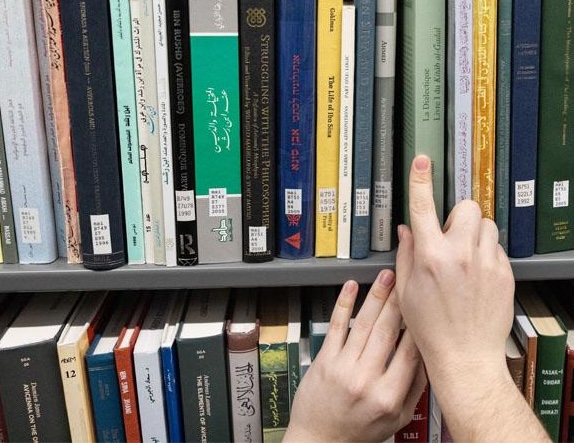
Learning to read directly impinges on brain regions for recognizing faces. Everyone in a literate culture is measurably worse at face recognition.
Henrich, The Weirdest People in the World (2020)
Standardized clock time
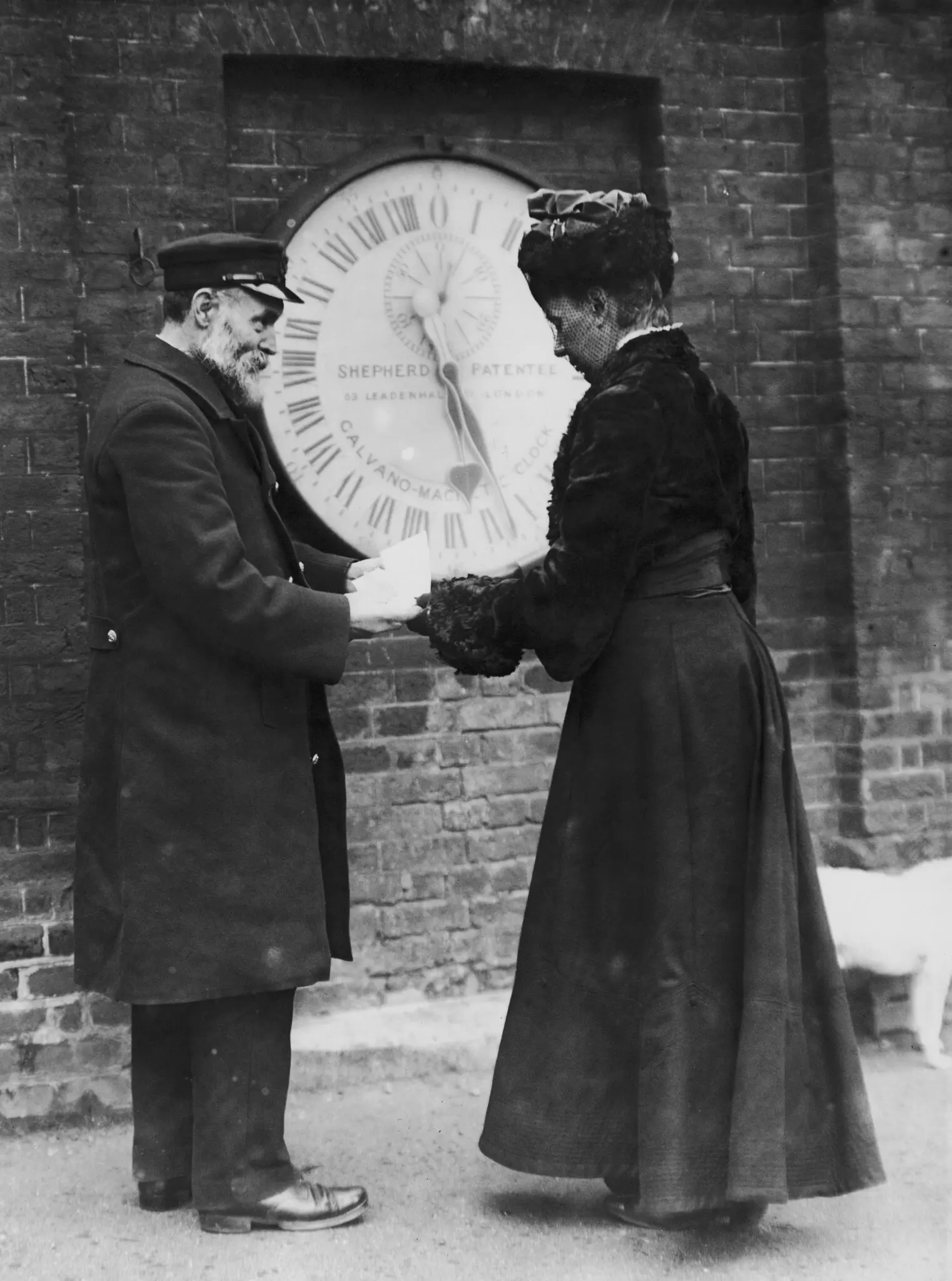
Mechanical clocks, and later railroad-standardized time zones, replaced agrarian and task-based rhythms with shared industrial time. People lost the felt sense of seasonal and embodied time. They gained the ability to coordinate at scale: factories, schedules, science, modern life.
Ruth Belville, the Greenwich Time Lady, sold accurate time door-to-door in London until 1940 — a profession that existed only because shared clock time was still a young technology.
Calculators in schools
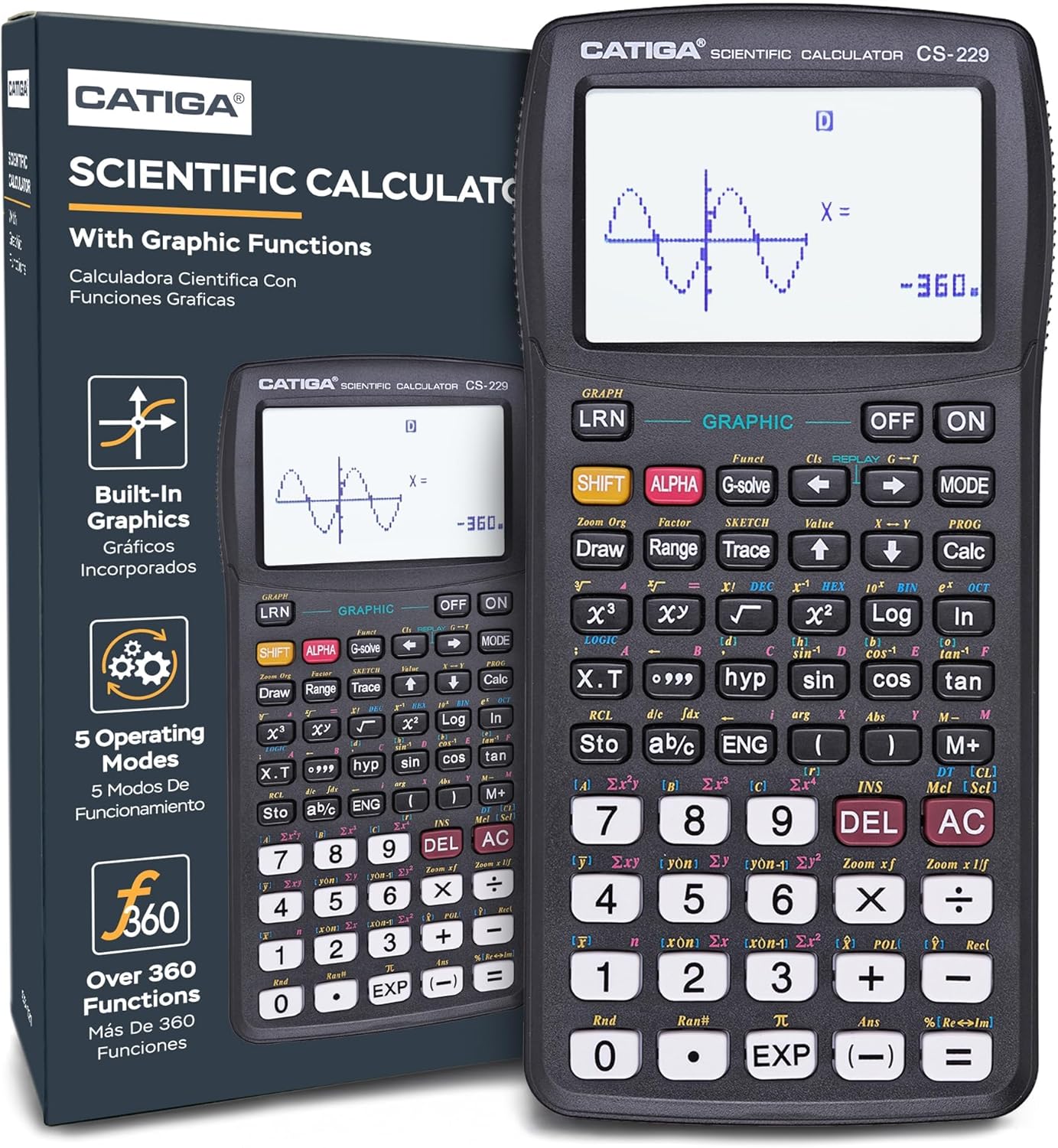
Decades of fear that calculators would erode basic math skills. A meta-analysis of 79 studies found "no loss in student ability to perform paper-and-pencil computational skills when calculators were used as part of mathematics instruction."
Hembree & Dessart, Journal for Research in Mathematics Education (1986)
Autopilot in flight
Documented crashes from manual skill loss, most notably Air France 447 in 2009. Overall trend: significantly safer flying with automation. Fatal accidents dropped from 1 per 3.5 million flights to 1 per 5.6 million over the past decade.