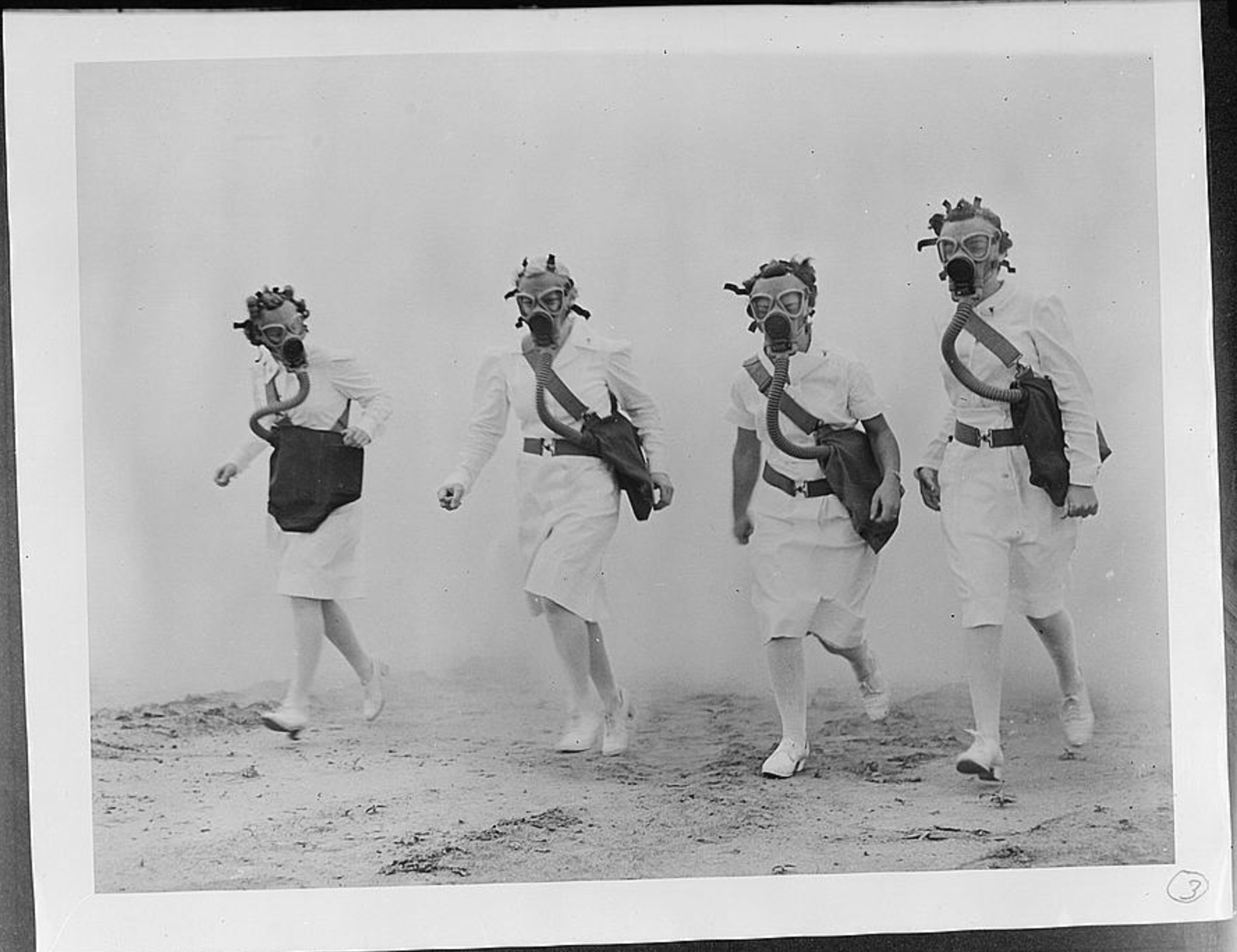
High-stakes gatherings can feel like licking a 9-volt battery: weirdly thrilling and unsettling at the same time. If all goes well, we’re glad it happened but not eager to do it again. A situation becomes high stakes by pushing on things that are genuinely important to the people involved. While major moments like a product launch or a wedding are obviously high stakes, many routine gatherings, like anniversaries or off-sites, can feel threatening because they push us towards dealing with topics critically important to us, even if we can’t name or explain what that is or why it’s getting activated. They require a different approach to group dynamics because people’s protective instincts play an outsized role in how they deal with each other. We can often tell viscerally that addressing this head-on could go disastrously, but our own immediate sense of danger overruns our thoughts and fogs our discernment.
Destructive Implosion or Unhealthy Peace
High-stakes social gatherings have two potential failure modes. The first, the one that tends to fuel our fear fantasies, is a situation where something goes horribly wrong because somebody says the wrong things, does the wrong things, or touches into a tender spot where things implode. Fear of this failure mode steers people towards the other, potentially just as damaging one. The second failure mode involves settling for unhealthy peace1 where easy to imagine worst-case scenarios are avoided but the important material is not dealt with in any meaningful way. Simmering dissatisfaction persists and continues to plague the group.
Designing well for these group moments requires handling the strong influence of hidden needs and vulnerabilities. Everyone in a high-stakes situation has added incentive to hide, protect, and obfuscate, making it that much harder to create clarity, momentum, and resolution around whatever is going on. Despite occasional emphasis in workplace cultures on candor and disclosure, research supports honoring everyone’s protective instincts. Open discussion of conflict can make relationship strife worse2, and speaking up with concerns tends to be perceived as helpful only if psychological safety is already well established.3 Revealing hidden material is not inherently productive. The question is how to honor the protective instincts without letting them drive the gathering toward debilitating avoidance.
Designing with the Fear
If we accept that protective instincts in these situations are valid and even reasonable, designing with the fear is the obvious approach. Here’s how I’ve seen that done well across wildly divergent situations, ranging from overtly once-in-a-lifetime high stakes to routine sessions that ticked up everyone’s fear index because of wider circumstances troubling the group:
- Trust the sensibilities of the people who are in it even if their ways of dealing might need to be redirected. People act in confounding ways when they are viscerally motivated to protect what is important to them. Whatever is motivating this should be taken as profound and real, no matter how much it does or does not make sense to anyone else. That said, their fear may cause them to espouse tactics that are undermining their better interests. Create openings for people getting those needs met in better ways, knowing that it’s always a collaboration about how all this plays out.
- Steer into the avoidance early in the planning process. Avoidance is a tactic, so this ties to the first point of redirecting tactics motivated by fear. It can take some exploration to discern if the avoidance is informed management of the social reality or a raw fear response somewhat mismatched to the situation at hand. Just because people are feeling fear does not mean fear needs to drive the design.
- Help the group execute their own ideas, especially if they are too overwhelmed or disempowered to do that themselves. While groups in high-stakes situations often do benefit from outside ideas and inspiration, I have found over and over again that their own ideas that they are too afraid to execute are often the most potent ones. Such ideas are often shared as jokes or toss-off asides. When I tease out such ideas as real possibilities, the group will often protest, and reasonably so, because them executing it on their own may well be too risky. If it is truly the wrong thing to do, they will make that very clear, but if it could be the right thing to do, they will protest rather than resist. This is where effective collaboration with an outsider can open up new possibilities in what the group navigates together.
- Allow for some clarity and resolution to happen out of view. Because the issues in question are deeply important and potentially explosive, working it all out will naturally flow to established configurations of safety and ease. Knowing some of this will have to be processed in decentralized forums takes some pressure off the official, full group settings. This may mean creating more private moments for certain configurations of people or ensuring the ripple effects of the event can be made good on by the group.
The success mode for high-stakes gatherings looks like the secret, personal, protected material exerting a positive force on the group, whereas before it was exerting a limiting force. What that looks like will likely surprise everyone, and the right gathering has the strength and flexibility to shift the balance.
- 1 Term originally used by Priya Parker in her TED talk. ↩
- 2 Jehn, K. A. (1995). A multimethod examination of the benefits and detriments of intragroup conflict. Administrative Science Quarterly, 40(2), 256–282. ↩
- 3 Weiss, M., Morrison, E. W., & Szyld, D. (2023). I like what you are saying, but only if I feel safe: Psychological safety moderates the relationship between voice and perceived contribution to healthcare team effectiveness. Frontiers in Psychology, 14, 1129359. ↩